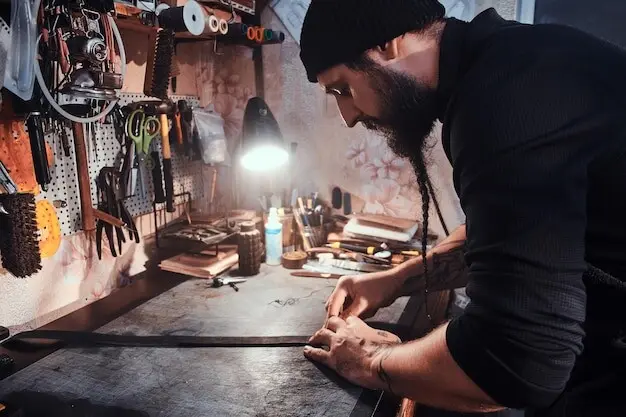
Craft the Route: Weaving, Woodcarving, and Clay Between Alps and Adriatic
Set out on an unforgettable maker’s journey exploring hands-on workshops in weaving, woodcarving, and ceramics along the Alpine-Adriatic Route. From cool mountain valleys to sea-warmed towns, we’ll meet artisans, learn practical skills, and gather soulful memories you can hold, wear, or set on your table. Pack curiosity, patience, and a notebook; transformation happens one thoughtful stitch, cut, and fired bowl at a time.
Choosing places that teach, not just sell
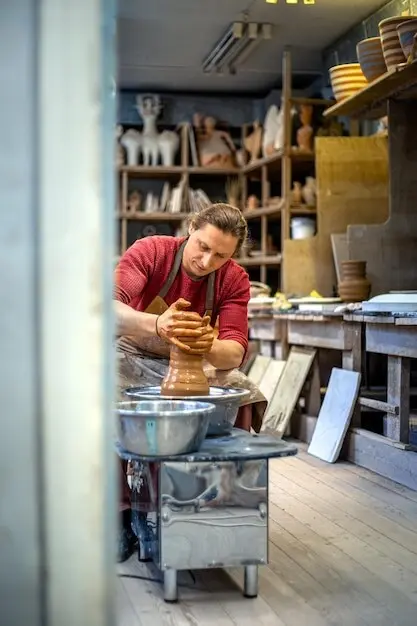
Look for studios that post clear learning goals, small class sizes, and real time at the loom, bench, or wheel. Ask about language support, tool access, and safety briefings. Read reviews that praise teaching clarity, not just beautiful photos. Genuine makers welcome questions, share process notes, and celebrate crooked first attempts as honest milestones rather than mistakes to hide.
Timing with markets and festivals
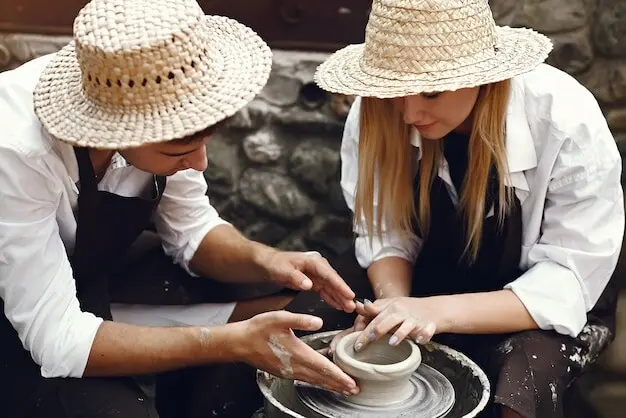
Align lessons with artisan markets and seasonal rhythms. Spring brings shearing and fresh wool washing; summer opens mountain passes and outdoor carving benches; autumn favors clay drying and village harvest fairs; winter invites intimate studio time by warm stoves. Festivals showcase regional patterns, tools, and songs, offering chances to compare techniques, source materials responsibly, and see how craft lives beyond any single workshop wall.

Navigating languages and borders
English often works, yet a few Italian, German, and Slovene greetings open hearts. Bring printed confirmations for cross-border trains and buses, plus buffer time for mountain weather. Carry travel insurance that covers courses and shipped pieces. Offline maps, phrase sheets, and cash for rural studios help. Makers appreciate punctuality, gentle curiosity, and respect for schedules shaped by kilns, curing oils, and drying fibers.

Weaving Between Valleys and Sea Breezes
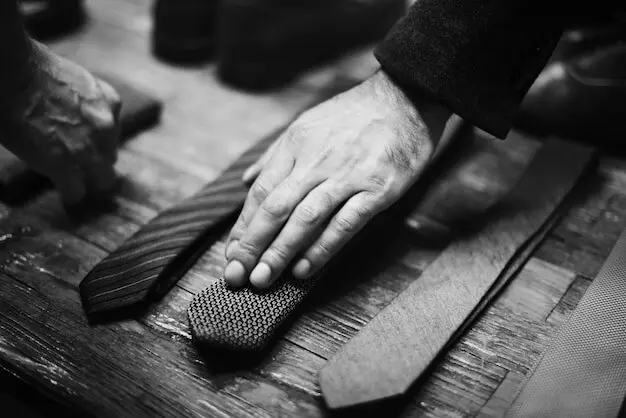
Looms hum differently where spruce shadows meet salt air. Expect wool dyed with alpine herbs, linens echoing river light, and stripes inspired by coastal rooftops. You will practice winding warps, dressing looms, balancing tension, and finishing edges. Small projects—scarves, bands, coasters—teach fundamentals while remaining packable. Each shuttle pass anchors memory, turning distance traveled into cloth you can fold and share.

Selecting wood, respecting the mountain
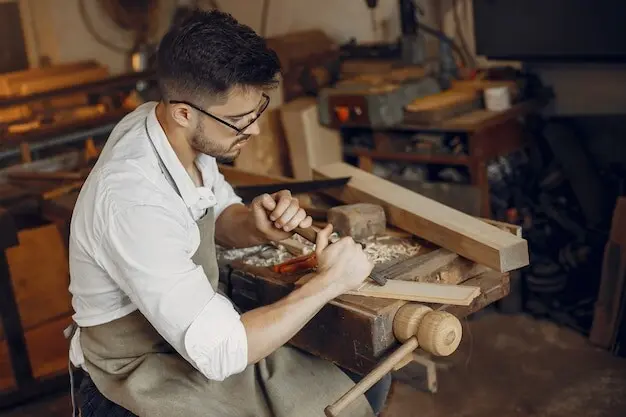
Learn the feel of linden for friendly cuts, the spring of spruce, the glow of larch, and the patience required for seasoned blanks. Ask about storm-fallen stock and local mills. Align patterns with grain to strengthen handles and rims. Seal end grain, store blanks carefully, and understand why thoughtful sourcing preserves forests, livelihoods, and the living character that gives carved pieces their lasting voice.
Knives, gouges, and sharpening rituals
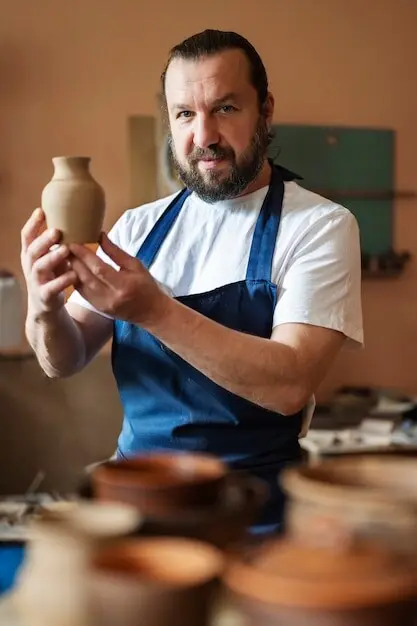
A keen edge is safer and kinder to wood. Practice consistent angles on waterstones, refine with a strop, and test on end-grain fibers, not fingers. Explore sloyd knives for control, gouges for sweeps, and hook knives for spoons. Stabilize your work with a carving stick or bench hook. Stretch wrists, rotate tasks, and let edges rest when focus wavers, honoring both tool and tendon.
Clay, Kilns, and Coastline Wind
Local clay bodies and glazes
Handle iron-rich bodies that fire warm and speckled, smooth stoneware that forgives trimming, and occasional porcelain that rewards precision. Discuss food-safe, lead-free glazes and clay memory. Mix slips with river clay and ash for subtle depth. Keep a test tile series and firing notes. Celebrate pinholes solved, crazing understood, and surfaces that suddenly sing like gulls over terracotta roofs.
Hand-building or wheel time
Choose coils for generous curves, slabs for quiet geometry, and pinch pots for meditative control. If you sit at the wheel, practice centering until your shoulders drop and rhythm steadies. Mind drying speed; shield rims from drafts. Trim when leather-hard, mark foot rings, and burnish edges. Pack simple tools, borrow heavier bats, and remember that repetition—not rush—builds elegant, useful forms.
Firing nights and patience
Kilns set the calendar. Confirm bisque and glaze slots, cooling windows, and pick-up options before booking. Wood-firing may require communal stacking and long, watchful hours. Electric firings reward careful loading and kiln wash. Ship finished work with generous padding and double boxes. Accept the occasional crack as a teacher, and honor survivors with regular use so lessons live at your table.
Travel Light, Learn Deep: Gear, Safety, and Sustainability
What to pack and what to borrow
Carry a folding tape measure, small calipers, pencils, masking tape, and sample cards. Bring work gloves, a dust mask, and a compact first-aid kit. Leave blades to the studio to simplify borders. Pack bubble wrap, spare socks, and cloths for finished pieces. Photograph tool settings and loom drafts before leaving, ensuring you can recreate processes once the journey becomes home practice.
Staying safe without losing flow
Tie back hair, remove rings, and keep sleeves fitted around moving parts. Ventilate when sanding or mixing glazes; wear P2 or P3 masks for fine dust. Alternate tasks to rest wrists and backs. Keep benches clear, blades sheathed, and floors free of cords. Curiosity thrives when bodies feel secure, so let checklists and timers support intuition rather than compete for attention.
Materials with integrity
Ask about wool provenance, FSC-certified wood, and responsibly mined clay. Pay fair prices that honor skill and time. Resist collecting more than you can use; sample thoughtfully, then commit. When gifting or selling later, share origin stories so value travels with the piece. Stewardship deepens meaning, turning souvenirs into relationships that sustain hillsides, workshops, families, and your evolving craft practice.
Document the process with respect
Before photographing, ask what should remain private. Frame hands at work rather than full faces if unsure. Capture drafts, tool setups, and sequence steps so you can replicate safely. Avoid geotagging tiny studios without consent. Pair images with notes on feel, failures, and fixes. Respect builds trust, making future returns—and deeper lessons—joyfully possible for everyone around the bench.
Build your maker map
Create a living spreadsheet with studio contacts, train links, market dates, and material sources. Add notes on dialect words, favorite cafés, and nearby walks for reflection. Track project times to estimate future bookings. Mark skills to revisit at home. Patterns emerge, revealing a personalized curriculum shaped by valleys, coastlines, and your growing strengths, ready for the next steady season.
All Rights Reserved.