
From Snow-Lined Benches to Salt-Soaked Keels

Join us as we travel the length of Artisan Trails from Alpine Woodshops to Adriatic Boatyards, tracing how skilled hands shape timber into objects that carry warmth through winter chalets and glide across sunlit harbors. We will listen to chisels whisper in high valleys, breathe pine and linseed, smell tar and salt, and collect stories that prove craftsmanship is both geography and heartbeat, connecting mountain passes to sheltered coves.

Passes, Ports, and Hidden Workshops

Beyond famous resorts and postcard quays lie backstreet benches and working sheds, reachable by valley trains or coastal ferries that stitch the itinerary into a living thread. Ask the baker for directions, follow the scent of resin, and you may find a carver who sets his coffee on a plane, or a shipwright whose calendar is kept by the tides, not by office clocks or marketing seasons.

Materials in Motion

Larch rides down from high slopes on careful trucks; oak and beech arrive by river or rail; canvas and hemp appear from storerooms smelling faintly of history. In these places, materials never sit still: they breathe, warp, demand patience. The journey teaches respect for seasoning racks, lofting floors, and timber yards where every knot tells a storm’s memory and guides the maker’s next quiet, decisive cut.

Conversations by the Stove and Slipway

Stories gather where boots leave sawdust crescents on stone and footprints pattern wet planks. A grandfather remembers learning to edge a chisel on a slate; a skipper explains how the bora bullies short seas. These shared moments shape maps better than GPS coordinates, revealing how communities choose endurance over spectacle, and why the best advice often arrives with a laugh, a biscuit, and a loaned pencil tucked behind an ear.

Spruce, Larch, and Stone Pine Selection

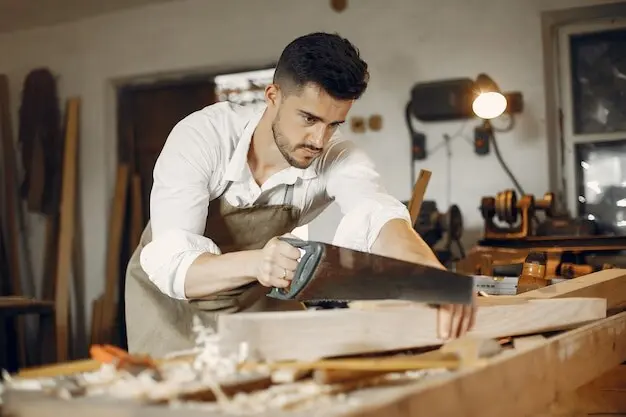
Choosing timber begins in shaded stacks where boards rest through seasons, slowly forgetting sap. Makers listen with knuckles, watch the end grain’s cathedral lines, and match projects to personalities: larch for weather, spruce for resonance, stone pine for scent. This intimacy with wood reduces waste, improves strength, and anchors a worldview where patience becomes a tool as essential as a marking gauge or a faithful mallet.

Joinery Traditions of the High Valleys

Dovetails bite cleanly at the corners of traveling toolboxes; wedged mortise-and-tenon joints hold beds steady against creaking floors; drawbored pegs pull frames tight without a whisper of glue. Techniques thrive because they survive cold, movement, and decades of family use. Watching an elder scribe shoulders with a knife teaches that accuracy is posture, breath, and courage, and that wood rewards humility far more than hurried certainty.

Finishes that Breathe

Oils and waxes mingle with the scents of coffee and snow-damp coats. Linseed, tung, and beeswax enter like quiet guardians, protecting without sealing life away. Makers warm cloths on the stove, rub in small circles, then larger ones, listening for the moment the surface hums under the palm. The result welcomes repairs, ages with dignity, and glows softly even when the sky outside turns steel and silent.

Alpine Woodcraft: Grain, Joinery, and Soul

High in the valleys, benches face frost-bright windows and vices grin like old friends. Here, joinery speaks in the grammar of dovetails and tenons, reinforced not by trend but by winter necessity and inherited repair wisdom. Val Gardena figurines, Tyrolean chests, and sturdy stools emerge from spruce and stone pine, finished with beeswax, rubbed warm by hands that judge time not by clocks but by the feel of a surface turning silky.

Adriatic Boatbuilding: Lines that Listen to Weather
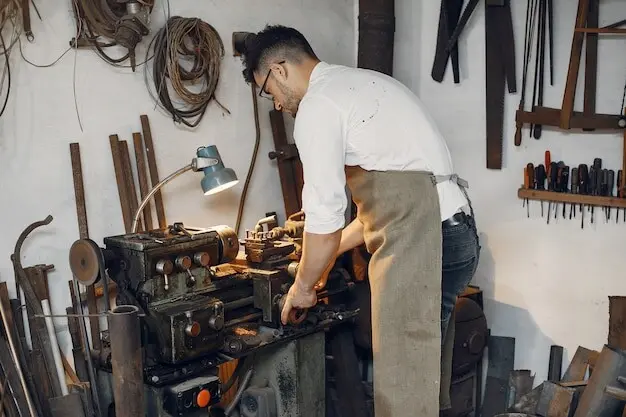
Along the Adriatic, hulls learn the language of the bora and the jugo, responding with curves that soften chop and carry freight, families, and festivals. In quiet yards, ribs rise like cathedrals, caulking mallets thud, and pine tar perfuses every pocket. The gajeta, leut, trabaccolo, and batana persist not as museum pieces, but as working wisdom, proclaimed in regattas, fish markets, and easy nods between neighbors across sun-struck water.

Keels, Ribs, and Planking

A keel is laid as a vow, trued against a line snapped with charcoal dust. Oak becomes ribs, steamed and bent with timing that leaves no room for indecision. Planks are sprung, fastened, and cinched tight with oakum and pitch. Each step courts the sea’s scrutiny, for any vanity will be found the first time short, choppy waves drum under a sky the color of hammered pewter.

Sails, Oars, and Quiet Power

Lateen triangles tilt toward history, their spars whispering against masts at dawn. Oars lie ready with worn handles that remember a century of calluses. Many builders accept discreet engines for safety, yet design still honors silence: a hull trimmed to glide, a rudder that answers gently, and a cockpit planned for hands, baskets, and laughter. The point is not speed, but belonging to water’s unhurried conversation.

Apprenticeships that Shape Character

Learning begins with sweeping floors, then listening harder than speaking. A mentor might ask for silence until a plane sings properly, teaching that music marks readiness better than certificates. Mistakes become tuition, and repairs, a rite of passage. Years later, apprentices remember not only techniques but glances that meant both pride and warning, anchoring an ethic where accuracy, kindness, and punctual tea breaks share the same steady importance.

Migrant Skills, Shared Tables

Journeymen cross borders with roll-up tool wraps and patched jackets, trading dovetail tricks for caulking rhythm. A night train drops a woodworker near Trieste; a coastal bus carries a shipwright into Istria. They swap blades and recipes, argue about bevel angles, then agree under starlight that craftsmanship transcends passports. In the morning, they discover their jokes sharpen edges better than any stone soaked overnight.

Women at the Bench and the Slip

In both valleys and harbors, women guide projects from layout to launch, challenging old assumptions one confident cut at a time. A carver in South Tyrol restores altarpieces; a skipper in Zadar schools the wind with calm hands. Mentorship circles, childcare corners, and unapologetically sharp chisels create spaces where talent speaks first. The result is better boats, finer furniture, and crews that understand skill has many voices.

Selective Harvest and Mountain Stewardship

Foresters mark trees with a future in mind, balancing age classes and skid trails that won’t scar fragile alpine soils. Horse logging and low-impact rigs minimize compaction, while sawyers track moisture content before a board sees a blade. This choreography saves kilns, reduces twist, and honors villages downstream, reminding everyone that good timber is grown by entire communities, seasons, and storms—not by purchase orders alone.

Healthier Adhesives, Finishes, and Habits

Not every task can forgo modern chemistry, yet choices matter: hide glue where reversibility is prized; low-VOC oils where breath counts; carefully contained epoxies only where the sea demands sealed strength. Ventilation, respirators, and filtered vacuums shift safety from posters to practice. The finish line is not a gloss level but a workshop where makers grow old with strong lungs, steady hands, and grandchildren welcome among offcuts.

Repair Culture over Replacement

A cracked chair rail earns a butterfly key; a sprung plank gets a scarf joint and a pot of warm pitch. Repair logs grow thick with dates, tides, and initials—an honest family tree of choices. Mending preserves stories as surely as it saves resources, proving that economy and poetry can share a bench. When something lasts, a maker sleeps better, and the morning coffee tastes like continuity.

Travel Itinerary for Curious Hands

Pack a notebook and respectful patience. Begin among Tyrolean benches, drift across Friulian plains, and arrive where gulls edit your schedule. Museums help, but working shops teach truer lessons if you ask permission, stand clear of kickback zones, and offer to sweep. Festival calendars, winter refits, and shoulder-season workshops create a rhythm that rewards early trains, unhurried lunches, and evenings spent labeling shavings tucked into waxed paper.

Join the Conversation, Share the Craft
Your observations complete this journey. Tell us what you smelled, heard, and learned along Artisan Trails from Alpine Woodshops to Adriatic Boatyards, whether a chisel song surprised you or a caulking mallet set your heartbeat straight. Ask questions, compare methods, and suggest hidden shops to visit next. Subscribe for field notes, travel dates, and workshop invitations, and help us keep the bench lights glowing from ridge to harbor.

Your Workshop Memories

Share the bench that changed your thinking, the joint that finally clicked, or the launch day when tar stained your cuffs and you didn’t mind. Photos are welcome if respectful; names matter when crediting mentors. Your memories guide our route, reminding us to pause at the right doorway, kneel beside the right cradle, and say thank you before questions, because gratitude sharpens understanding better than any stone.

Questions for the Masters

What joint would you trust in a century-old farmhouse? How do you loft a hull when the chalk line keeps lying? Why does spruce sing and larch endure? Post curiosities here, and we will carry them to benches and slipways, returning with answers that smell of coffee, resin, and tide. Precision grows in conversation, and every good question adds a tooth to the shared saw.

Subscribe for Field Notes and Invitations

Add your email to receive sketches from icy mornings, measurements scribbled on ticket stubs, and festival dates whispered over soup. We send fewer, better letters—packed with routes, contacts, safety tips, and small stories unlikely to surface on crowded networks. Your subscription sustains travel, translation, and time at the bench, ensuring that the next relaunch, carving, or repair lands in your inbox while the shavings are still warm.
Mexozeralento
Privacy Overview

This website uses cookies so that we can provide you with the best user experience possible. Cookie information is stored in your browser and performs functions such as recognising you when you return to our website and helping our team to understand which sections of the website you find most interesting and useful.